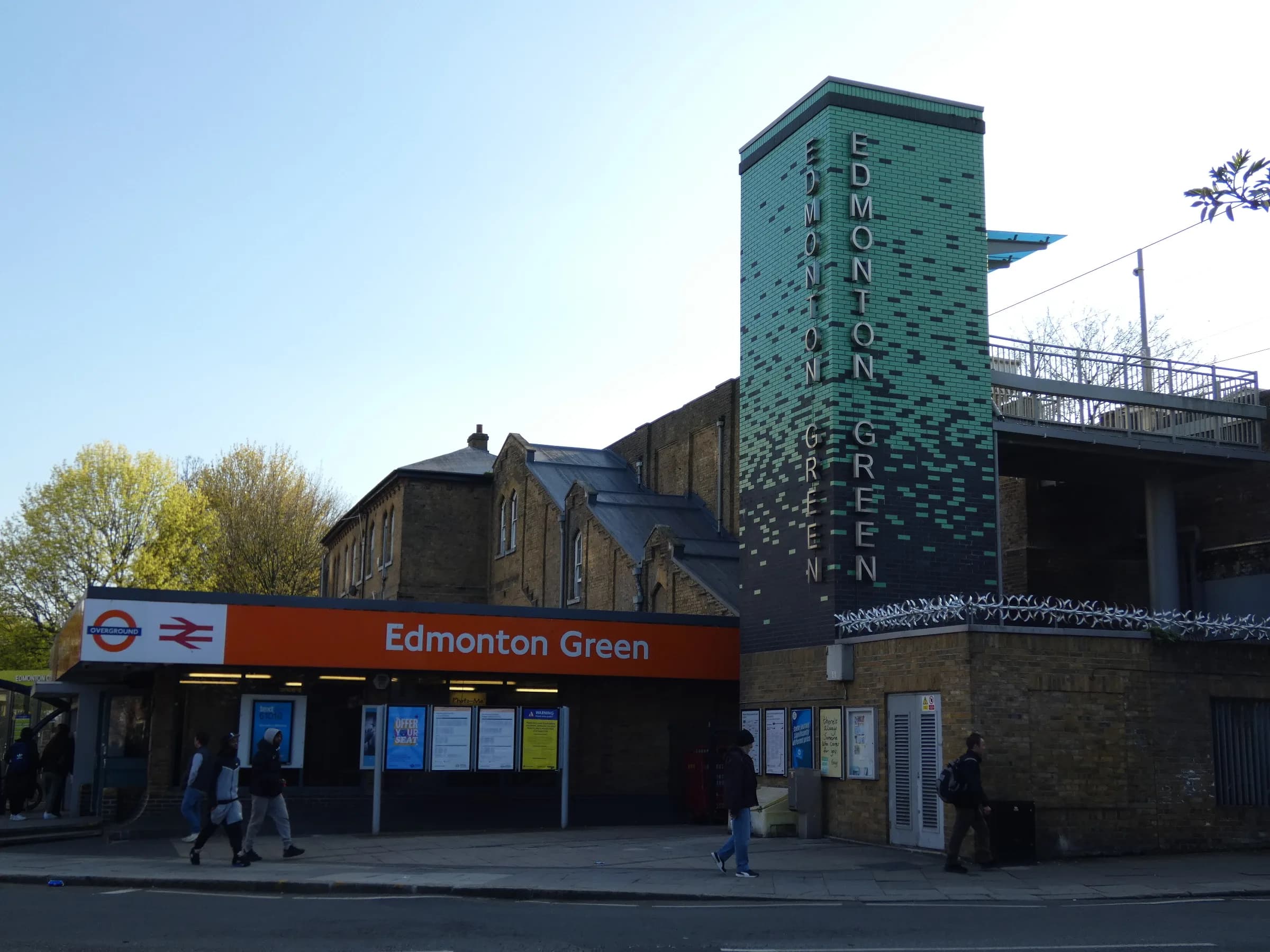
Enfield Council’s selective licensing scheme started on 1 September 2026. If you rent out a home to one or two people, or to a single family, in one of 17 wards, you need a licence for it, unless it needs an HMO licence instead or is an exempt tenancy. The wards include Edmonton Green, Upper Edmonton and Lower Edmonton. This article covers who is affected, what the licence costs, what the application asks for and what to do first.
The short version
- The scheme covers privately rented homes let to one or two people, or to a single family, in 17 wards.
- You need a separate licence for each property. A home that already has an HMO licence does not need a second one.
- The fee is £750 before any discount, paid in two parts. A licence usually lasts five years.
- For letting without a required licence, the council can prosecute or issue a civil penalty of up to £40,000, and tenants can apply to a tribunal for a rent repayment order.
Is your property in the scheme?
The council lists the wards in two groups.
- First group (13 wards): Bowes, Brimsdown, Bullsmoor, Carterhatch, Edmonton Green, Enfield Lock, Haselbury, Jubilee, Lower Edmonton, Ponders End, Southbury, Upper Edmonton and Whitewebbs.
- Second group (4 wards): New Southgate, Palmers Green, Southgate and Town.
Check by address rather than by area name. The council’s page has a map: enter the postcode or address and it shows the licensing information for that property. You can also email prsh@enfield.gov.uk with the full address and the council will confirm whether a selective licence is required.
Some tenancies are exempt under the Selective Licensing of Houses (Specified Exemptions) (England) Order 2006. If you think yours is, email the licensing team to confirm before you decide not to apply. The council also runs a temporary exemption notice process.
If you already hold a licence
A home that is licensed as a house in multiple occupation (HMO) does not need a selective licence. Each property is covered by only one type of residential licence. Enfield’s mandatory HMO scheme covers homes occupied by five or more people forming more than one household. Its additional scheme, which has applied across the borough since September 2020 and was renewed on 1 September 2025, covers three or four people from more than one household. In both, the occupants share amenities such as a kitchen or bathroom.
If you already have a selective licence, it stays valid until the expiry date on it. Where the new scheme requires a licence for the property, the council advises planning to renew about two months before that date.
What it costs
The selective licence fee is £750 before any discount, paid in two parts:
- Part 1, £450, is due when you apply. It is non-refundable.
- Part 2, £300, is due when the council issues the draft licence. It is collected automatically using the payment details you gave with the application.
The council decides on discounts when it receives a complete application with up-to-date certificates, and cannot add one once a licence has been granted. No discount is available if the council has asked twice for extra documents or has sent a warning letter for failing to licence the property. Only one accreditation discount and one EPC discount can be applied, however many bodies you belong to.
| Discount | Amount | Who may qualify |
|---|---|---|
| Accreditation or membership | £50 off Part 2 | Landlords accredited with the London Landlord Accreditation Scheme, the NRLA, UKALA or the British Landlords Association, or members of ARLA Propertymark or Safeagent. An agent who is not the licence holder cannot claim it. |
| Energy performance | £100 | The property has an EPC rating of C or above. |
| Several flats in one building | £100 for each additional flat | Rented flats in the same building, owned and managed by the same person. It does not apply to the first flat. |
If you own several rented flats in one building, talk to the council before you apply. Whether the building gets one licence or each flat gets its own affects how the fee is worked out.
What the application asks for
You apply online through the council’s licensing site, once for each property. Have these ready:
- your name, address and date of birth as the licence holder;
- room sizes in square metres;
- details of the property’s structure and where the smoke and carbon monoxide detectors are;
- the names and addresses of everyone with an interest in the property, such as freeholders, leaseholders, managing agents and the mortgage lender;
- a gas safety certificate, an electrical installation condition report (EICR), an energy performance certificate (EPC) and the tenancy or licence agreement;
- a payment card.
The council also checks that the licence holder is a fit and proper person. That includes a declaration about any criminal offences, and the council must also consider other things, such as breaches of housing or landlord and tenant law. If a letting agent manages the property, the council asks the licence holder to make sure the agent belongs to a redress scheme, and it wants a copy of the management contract with a signed declaration. A non-UK resident landlord needs a managing agent based in the UK, and a company needs a UK registered office.
How long it takes
The council aims to process an application within 60 working days. It says a high volume of applications may mean it cannot always manage that, and that tacit consent does not apply: the council must approve the application before a licence is granted.
The council’s pages do not mention a grace period for tenancies that were already running on 1 September. Section 95 of the Housing Act 2004 gives a defence where an application for a licence has been duly made and is still effective. It also has reasonable-excuse defences, which the person charged has to prove, and it says a term in a tenancy agreement is not a defence on its own. An application helps from the date it is duly made, not backwards, and whether any defence applies to you depends on the facts. If you have not applied yet, apply now and take advice from the council or a solicitor.
What happens if you do not licence
Letting a property that needs a selective licence without one is an offence. The council can either prosecute, in which case the court can impose a fine, or issue a civil penalty of up to £40,000 for offences committed on or after 1 May 2026. GOV.UK guidance for councils gives £12,000 as a national starting point for an unlicensed property in a selective licensing area. It is not a fixed fine and not a cap, and we have not checked Enfield’s own policy. Letting an HMO without the licence it needs is a separate offence, with a higher national starting point of £17,000.
Tenants have their own route. They can apply to the First-tier Tribunal for a rent repayment order of up to two years’ rent paid for the period the offence was ongoing, and the tribunal decides the amount. The tenant must prove the offence beyond reasonable doubt, and can apply after moving out, as long as the offence was no more than two years before the application. A tenant cannot claim rent paid through Housing Benefit or Universal Credit, but the council can apply for that.
What to do this month
- Check the address. Use the council’s map, or email the licensing team.
- Check whether it needs an HMO licence instead. If the property already holds one, you do not need a selective licence. If three or four people from more than one household share amenities such as a kitchen or bathroom, it needs an additional HMO licence.
- Gather the documents. You will need the gas safety certificate, the EICR, the EPC and the tenancy agreement. An EPC of C or above may qualify you for £100 off.
- Apply for each property. The council aims to decide within 60 working days, but it can take longer.
- Diary the expiry date. A licence usually lasts five years.
- If an agent manages the property, agree in writing who applies, who pays and who follows the licence conditions.
Our landlord licensing guide also covers Haringey and Waltham Forest, and our Renters’ Rights Act guide explains the main tenancy reforms that began on 1 May 2026. The area guides for Edmonton, Ponders End, Palmers Green and Southgate show where each place sits. If you would like to talk through letting in Edmonton, get in touch with our lettings team.
Questions readers ask
Does selective licensing apply to flats?
Yes, if the flat is privately rented, sits in one of the 17 wards and is occupied by one or two people or one family. Usually each flat needs its own licence. Where several rented flats in one building have the same owner and manager, the building may qualify for a single licence, and the council asks you to contact it before you apply.
Is the first £450 refundable?
The council says the first part of the fee, £450, is due when you apply and is non-refundable. The second part, £300, is due when the draft licence is issued.
Do I still need a licence if a letting agent manages the property?
Someone must hold the licence. The council says you can apply if you are the owner, the manager employed by the owner or the person who receives the rent, so an agent can be the licence holder, but using an agent does not remove the requirement. The licence holder should be able to let and end tenancies, reach every part of the property and authorise repairs, and should make sure any agent knows and follows the licence conditions. Agree in writing who does what.
How long does a selective licence last?
Usually five years from the date it is issued. The council can grant a shorter licence, with extra conditions, if it has concerns about how the property is managed.
Sources
- Enfield Council, Selective licensing scheme, read on 16 October 2026.
- Enfield Council, Private rented property licensing, read on 16 October 2026.
- GOV.UK, Civil penalties under the Renters’ Rights Act 2025 and other housing legislation, published 13 November 2025.
- GOV.UK, Rent repayment orders: guidance for tenants, last updated 1 May 2026.
- legislation.gov.uk, Housing Act 2004, section 95, up to date to 15 October 2026.