
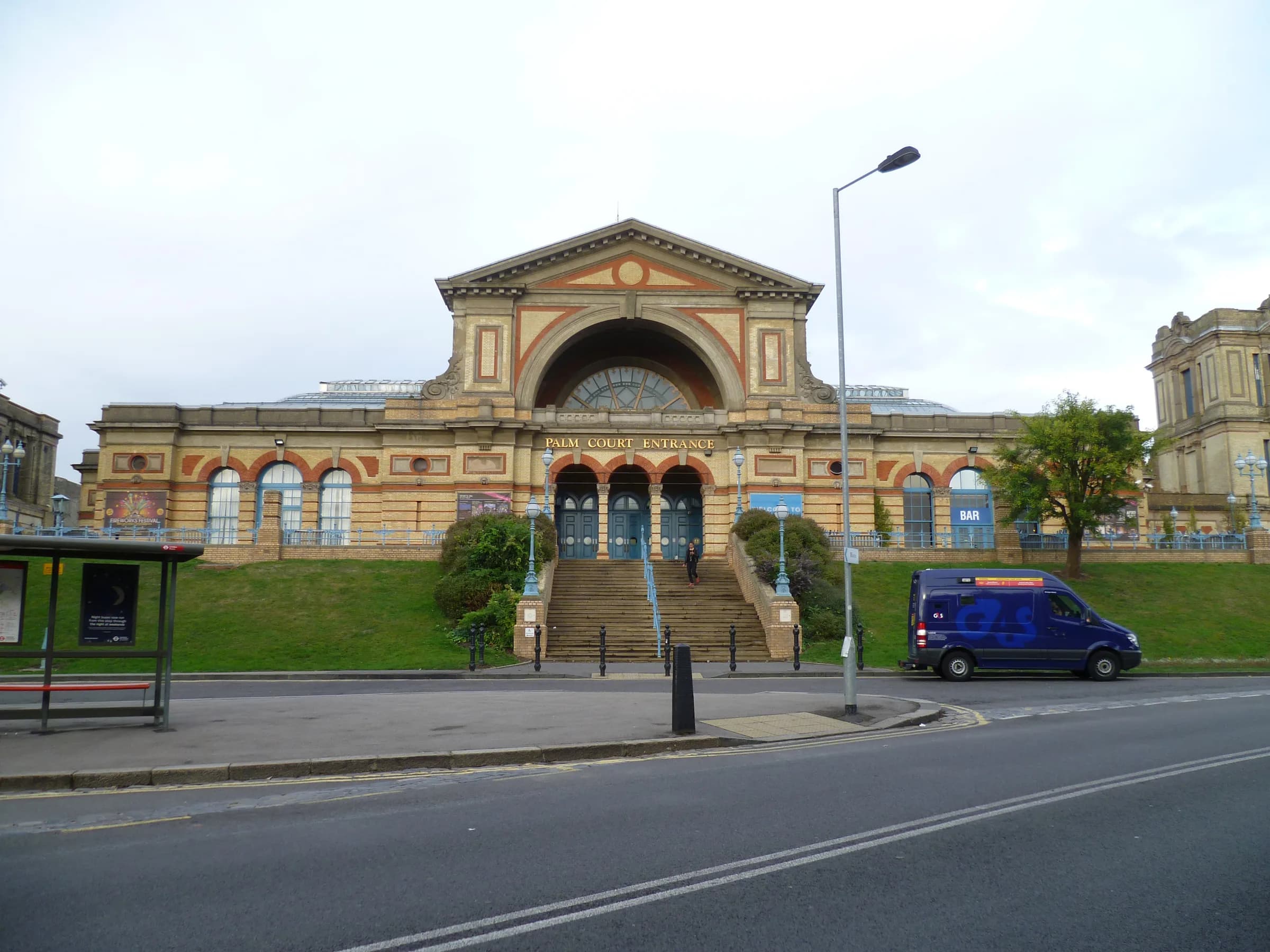
Haringey
Haringey is a north London borough taking in Tottenham, Wood Green, Muswell Hill, Crouch End and Highgate, with Victoria, Piccadilly and Northern line stations.
Area guide
Living in Haringey
Haringey is a London borough in the north of the capital, created under the London Government Act 1963 from the former boroughs of Hornsey, Tottenham and Wood Green. It runs from Highgate and Muswell Hill in the west to Tottenham and the Lee Valley marshes in the east, so the character of its neighbourhoods varies considerably. Haringey Council's list of conservation areas runs from Highgate and Crouch End to Noel Park and the Tottenham High Road Historic Corridor.
The council's conservation area appraisals describe a mix of housing stock. Tottenham and Wood Green have Victorian and Edwardian terraces and planned estates, including Noel Park in Wood Green, the London County Council's Tower Gardens estate in Tottenham and the Georgian villas of Bruce Grove. Muswell Hill is described as a well-preserved Edwardian suburb, with red-brick parades of shops and flats surrounded by two and three storey semi-detached and terraced houses. In Crouch End, terraces dominate near the centre and detached and semi-detached houses lie further south and west. Large open spaces include Finsbury Park, Alexandra Park and Palace, Bruce Castle Park and Tottenham Marshes.
The borough has Victoria line stations at Tottenham Hale and Seven Sisters, Piccadilly line stations at Wood Green, Turnpike Lane and Bounds Green, and Highgate on the Northern line, all in Zone 3 (TfL lists Bounds Green in Zones 3 and 4). Weaver and Suffragette Overground services and National Rail services from Alexandra Palace add further links. The neighbourhood guides for Tottenham and Wood Green give more detail on stations and local streets. Haringey Council sets council tax across the borough.
Transport
Getting around Haringey
The Victoria line serves Tottenham Hale and Seven Sisters, the Piccadilly line serves Wood Green, Turnpike Lane and Bounds Green, and the Northern line serves Highgate. Weaver and Suffragette Overground services, Great Northern and Thameslink trains from Alexandra Palace, and Greater Anglia services add further links.
Tottenham Hale
Victoria · Zone 3
Also National Rail; main interchange in Tottenham
Seven Sisters
Victoria · Zone 3
Also Weaver line Overground; see the Tottenham guide for more stations
Wood Green
Piccadilly · Zone 3
See the Wood Green guide for Turnpike Lane and Bounds Green
Turnpike Lane
Piccadilly · Zone 3
Piccadilly line
Highgate
Northern · Zone 3
Northern line, western side of the borough
Alexandra Palace
Great Northern, Thameslink · Zone 3
National Rail; neighbourhood guides cover the other Haringey stations
Parks, shops and schools
What Haringey has nearby
Parks and green space
- Finsbury Park (opens in a new tab)Haringey's flagship park, opened in 1869, shared with Islington and Hackney
- Alexandra Park and Palace (opens in a new tab)196 acres run by the Alexandra Park and Palace Charitable Trust
- Bruce Castle Park (opens in a new tab)8 hectares around Bruce Castle Museum, Tottenham
- Priory Park (opens in a new tab)Hornsey park created from land bought in 1891, with a 1909 granite fountain
- Highgate Wood (opens in a new tab)70-acre ancient woodland managed by the City of London Corporation
- Coldfall Wood (opens in a new tab)14 hectares of ancient woodland
- Tottenham Marshes (opens in a new tab)Marshland in the Lee Valley Regional Park, on the Haringey and Waltham Forest border
Schools
State-funded schools here are administered by Haringey Council as the local education authority. Use the council's admissions pages and the official GOV.UK and Ofsted tools below to check individual schools, admission rules and current inspection reports.
A little history
The London Borough of Haringey was created under the London Government Act 1963 from the boroughs of Hornsey, Tottenham and Wood Green. Its oldest surviving buildings include Bruce Castle in Tottenham, whose Tudor tower dates from 1514.
Local favourites
Worth knowing in Haringey
Roads and pockets
- Bruce Grove, Tottenham — villas from the 1790s associated with Quaker families, in a conservation area of the same name
- Gladstone Avenue, Wood Green — the widest street on the Noel Park estate, with larger houses and glazed-brick gables, per the council appraisal
- Queens Avenue, Muswell Hill — broad tree-lined avenue of substantial red-brick houses built between 1896 and 1910, per the Muswell Hill appraisal
- Risley Avenue, Tottenham — part of the London County Council's Tower Gardens cottage estate, built 1903-15
- Haringey Park, Crouch End — remnants of an 1860s gated estate on the northern slopes of Crouch Hill, per the Crouch End appraisal
- Muswell Hill Broadway — three and four storey red-brick Edwardian parades at the heart of the Muswell Hill conservation area
Places worth a visit
- Alexandra Palace and Park — Grade II listed Victorian palace in 196 acres of parkland, run by a charitable trust
- Finsbury Park — Haringey's flagship park, opened in 1869 and shared with Islington and Hackney
- Bruce Castle Museum — Grade I listed manor house with a 1514 Tudor tower, now Haringey's free museum and archive
- Highgate Wood — 70-acre ancient woodland managed by the City of London Corporation
- Markfield Beam Engine and Museum — Grade II listed Victorian pumping engine house in Markfield Park, run by volunteers
- Coldfall Wood — 14 hectares of ancient woodland with a council nature trail
Compiled from public sources such as council guidance and local history records, and reviewed October 2026. These are not recommendations or valuations.
Property market
Property prices in Haringey
Median sold price
£584,500
2091 sales in the 12 months to July 2026
| Property type | Median | Sales |
|---|---|---|
| Detached | £2,300,000 | 27 |
| Semi-detached | £1,252,000 | 91 |
| Terraced | £770,000 | 663 |
| Flats & maisonettes | £488,500 | 1310 |
Based on completed sales registered at postcodes in N4, N6, N8, N10, N15, N17, N22, which only approximate the area's boundaries and include sales we did not handle. Standard (category A) residential sales for value only: the Land Registry’s category B, which includes repossessions, buy-to-lets identified by a mortgage and sales to non-private individuals, is not counted. Contains HM Land Registry data © Crown copyright and database right 2026. This data is licensed under the Open Government Licence v3.0.
Questions
Haringey: common questions
Quick answers about living in and moving to Haringey.
Which council covers Haringey and who sets council tax?
Haringey Council is the local authority for the whole London Borough of Haringey and sets and collects council tax. The band for an individual property can be found through the council's council tax pages.
Which areas make up Haringey?
The borough was formed from the former boroughs of Hornsey, Tottenham and Wood Green. Neighbourhoods include Tottenham, Wood Green, Muswell Hill, Crouch End, Hornsey, Highgate, Harringay and Bounds Green.
Which postcode districts are in Haringey?
Haringey spans N4, N6, N8, N10, N11, N15, N17 and N22. Several of these districts are shared with neighbouring boroughs, so a postcode district does not always show which council a property is in.
Which tube lines serve Haringey?
The Victoria line serves Tottenham Hale and Seven Sisters, the Piccadilly line serves Wood Green, Turnpike Lane and Bounds Green, and the Northern line serves Highgate. These stations are all in Zone 3, except that TfL lists Bounds Green in Zones 3 and 4.
What parks and green spaces are in Haringey?
They include Finsbury Park, Alexandra Park and Palace, Bruce Castle Park, Priory Park, Highgate Wood, Coldfall Wood and Tottenham Marshes in the Lee Valley Regional Park.
Location
Where Haringey is
Nearby
Nearby areas
Value my property
Selling or letting in Haringey?
Talk to our local team about the market in Haringey — book a free, no-obligation valuation or call the office.