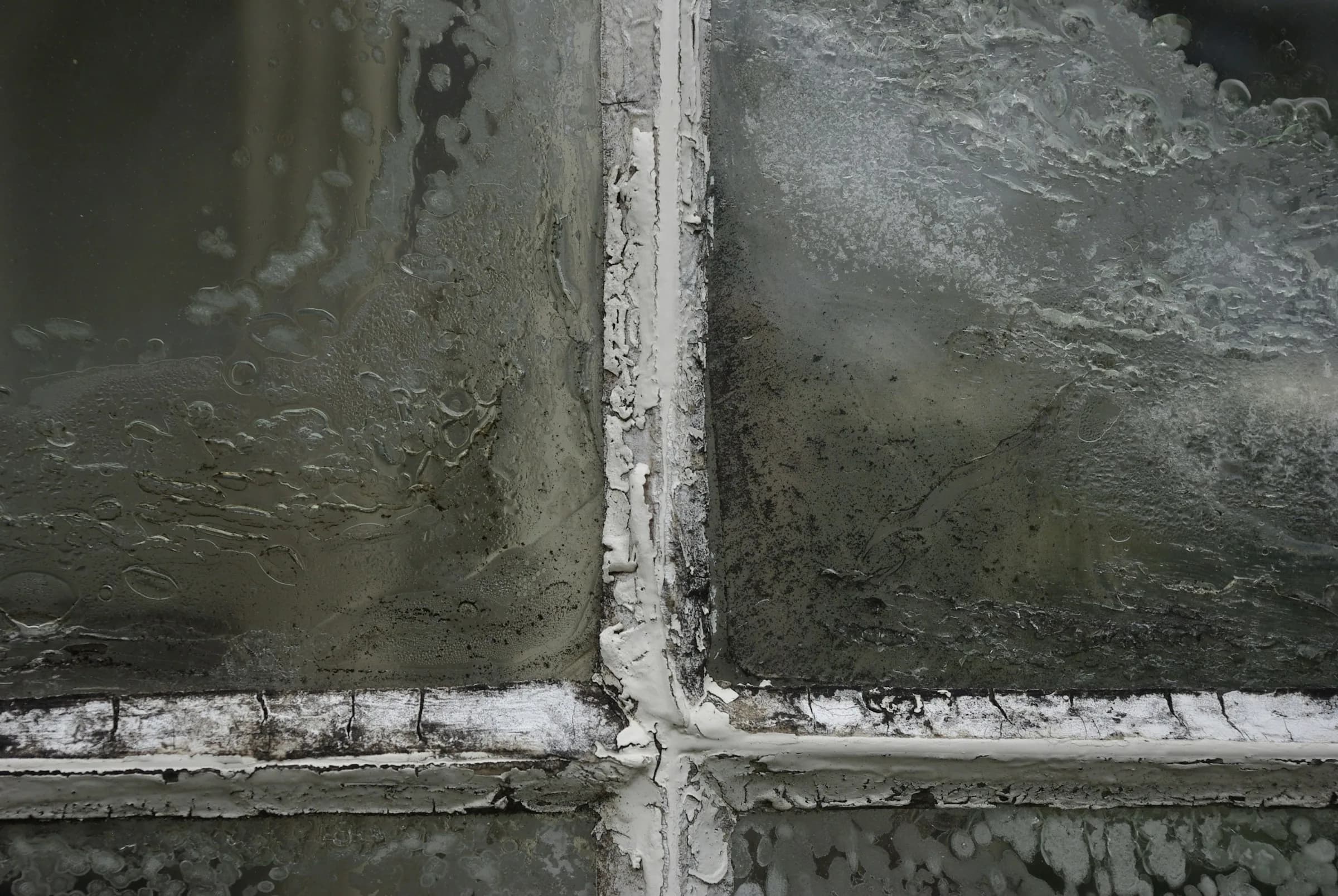
To report damp and mould, tell your landlord and any managing agent in writing. Attach dated photographs, say where it is and how it affects you, and ask when someone will inspect and fix the cause. Keep paying rent while you wait. If the landlord does not act within a reasonable time, you can tell the council, which must act on the most serious hazards, or ask a court to order repairs. Awaab’s Law, with its fixed deadlines, covers social housing only for now.
The short version
- Write it down, with photos, and keep every reply.
- No fixed deadline yet. The landlord must repair within a reasonable period once told. A court decides what is reasonable.
- Council route. It must act on category 1 hazards, and damp and mould growth is one of the hazards it assesses.
- Court route. Section 9A of the Landlord and Tenant Act 1985 lets you ask a court for repairs and compensation.
How do I report damp and mould to my landlord?
- Photograph it first, with dates. Take wide and close shots of each room and of any leak, stain or broken extractor fan. Enfield Council says small patches can be cleaned safely with protective gear, so photograph before cleaning.
- Write to the landlord and the agent. GOV.UK’s Homes Act guide says an email or text counts if you keep it. Give the address, the rooms, when you first saw it, the likely cause (a leak, no working fan, a cold wall) and who is affected.
- Ask for three things. A date to inspect, the cause, and a repair plan with dates. GOV.UK’s damp and mould guidance says landlords should tell tenants the steps and timeframes.
- Allow access. The landlord should give at least 24 hours’ notice in writing and visit at a reasonable time, as our access and inspections article explains.
- Keep a log and chase in writing. The law gives no number of days, so send a dated reminder after a reasonable wait.
- Keep paying rent. GOV.UK’s repairs page says to carry on paying while you wait.
- See a GP if anyone has symptoms. A doctor’s note can support a court claim.
Does Awaab’s Law apply to private renters yet?
No. The Hazards in Social Housing (Prescribed Requirements) (England) Regulations 2025 apply to social landlords and came into force on 27 October 2025. A consultation on extending the law to private tenancies, published on 9 October 2026, closes at 11.59pm on 18 December 2026. It says the earliest feasible start would be 2027, with regulations still to be made. It also says private landlords are expected to have to join a new Private Rented Sector Landlord Ombudsman in 2028. Our Awaab’s Law article sets out the proposed deadlines. So what: do not wait for it. The routes below already exist.
What must a private landlord do about damp and mould today?
| Duty | What it says | Source |
|---|---|---|
| Repairs | Keep the structure, exterior, and water, gas, electricity, sanitation and heating installations in repair. | Landlord and Tenant Act 1985, section 11 |
| Fitness | The home is fit for human habitation at the start and stays fit. Fitness covers freedom from damp, ventilation and prescribed hazards. | Same Act, sections 9A and 10 |
Section 9B applies the fitness duty to leases of less than seven years. The consultation says landlords must repair within a reasonable period once told. GOV.UK’s damp and mould guidance says they should respond promptly and treat significant mould, or a significant health concern, as urgent.
Section 9A does not require works the tenant must do under the duty to use the home in a tenant-like manner. It also does not apply where unfitness is wholly or mainly down to the tenant’s own breach of the tenancy. The government’s guidance says everyday cooking and bathing produce moisture, and that the root cause is usually a building defect, poor ventilation or inadequate heating. So what: name the likely cause in your letter, so the reply has to deal with it.
When must the council act on damp and mould?
“Damp and mould growth” is the first hazard in Schedule 1 to the Housing Health and Safety Rating System (England) Regulations 2005 (HHSRS), made under the Housing Act 2004. Under section 4 the council must inspect when it considers that appropriate. Section 5 says that if it considers a category 1 hazard exists, it must take the appropriate enforcement action. GOV.UK’s tenant guide says a category 1 hazard scores 1,000 or more. For category 2 it has a power to act (section 7).
Two things changed in June 2026. From 22 June 2026 a council can impose a penalty of up to £7,000 when first taking action on a category 1 hazard that, in its opinion, the responsible person could reasonably have removed (section 6A, S.I. 2026/638). Amending regulations (S.I. 2026/571) changed the rating system on 23 June 2026, cutting the hazard types from 29 to 21. If a landlord ignores an improvement notice, the tenant or council can apply for a rent repayment order. For offences from 1 May 2026 it can cover up to two years’ rent, limited to the period the notice was breached, says GOV.UK’s landlord guide.
Locally, Edmonton is in Enfield. Enfield Council says private tenants should ask the landlord first, then contact its Private Rented Housing team (prsh@enfield.gov.uk, 020 3821 1761) if the mould is not treated. Haringey Council asks you to write to the landlord, allow a reasonable time, then send your details, the landlord’s details and documents such as photographs.
Can I take my landlord to court?
Yes. Section 9A(5) lets the court order the landlord to carry out the work. GOV.UK’s Homes Act guide says the court can also order compensation, with no fixed limit on the amount. Before you start, the Pre-Action Protocol for Housing Conditions Claims expects a letter of claim. A letter counts as received two days after its date. The landlord should normally reply within 20 working days. If it does not, it breaches the protocol and you are free to issue proceedings.
If the mould makes the home prejudicial to health or a nuisance, you can also bring a statutory nuisance case in the magistrates’ court (Environmental Protection Act 1990, section 82) after giving at least 21 days’ written notice. The damp and mould guidance says legal aid is available to eligible tenants; ask Citizens Advice or Shelter whether you qualify.
An invented illustration follows. Only the 20 working days and the two-day deemed receipt come from the protocol.
| Date (invented) | Step |
|---|---|
| Mon 2 November 2026 | Email the landlord and agent with photos, the cause and your requests. |
| Mon 16 November 2026 | Dated reminder. |
| Mon 30 November 2026 | No repair plan, so report to the council. |
| Mon 1 February 2027 | Still unresolved, so send a letter of claim, treated as received on Wed 3 February. |
| Wed 3 March 2027 | The landlord’s reply is normally due, 20 working days after receipt. |
Can my landlord evict me for reporting it?
Section 21 “no fault” notices ended on 1 May 2026, and the government says this removes the threat of retaliatory eviction. A landlord can still seek possession on a legal ground, such as rent arrears, or a need to sell or move in (not in the first 12 months of a tenancy, says the GOV.UK overview). Do not withhold rent. If you receive a notice, take advice from your council, Citizens Advice or Shelter straight away.
Our article on reporting problems to Enfield Council, repairs and problems guide and tenant rights guide cover the wider picture. If we manage your home, send our lettings team the letter from step 2, or contact us about renting.
Questions readers ask
Does Awaab’s Law apply to private renters?
Not yet. The Awaab’s Law regulations in force since 27 October 2025 cover social landlords. For private lets the government published a consultation on 9 October 2026, closing on 18 December 2026, and says the earliest feasible start would be 2027. Until then private tenants rely on the repair and fitness duties, council action and the courts.
How long does a private landlord have to fix damp and mould?
The law sets no fixed number of days for private landlords. The government’s consultation says repairs must happen within a reasonable period once the landlord is told, and that a court would decide what is reasonable. Its damp and mould guidance says landlords should respond promptly and treat significant mould, or a significant concern for a tenant’s health, as urgent.
Can I stop paying rent until the mould is fixed?
GOV.UK says to carry on paying rent while you wait for repairs, and its tenant guide to the rating system says withholding rent because of disrepair may put you at risk of eviction. If paying is a struggle, tell your landlord and get advice from Citizens Advice or Shelter before you change what you pay.
Do I need a doctor’s letter before my landlord must act?
No. GOV.UK’s damp and mould guidance says medical evidence is not a requirement for action and landlords should not delay while waiting for it. A doctor’s note can still help if you later bring a court claim, because GOV.UK’s Homes Act guide lists one as possible evidence of health problems caused or made worse by the home.
Will the council always inspect my home?
Not always. The government’s tenant guide says the council decides whether to inspect after a complaint, that some councils start by email or phone, and that not visiting does not mean they will not act. If the council considers a category 1 hazard exists, section 5 of the Housing Act 2004 says it must take enforcement action.
Sources
- GOV.UK, Extending Awaab’s Law to private rented tenancies and to licences, published 9 October 2026.
- GOV.UK, Renters’ Rights Act overview for tenants, read on 17 October 2026.
- GOV.UK, Tenant guide to the HHSRS and Landlord and agent guide, both updated 16 September 2026.
- GOV.UK, Understanding and addressing the health risks of damp and mould in the home, updated 1 April 2026. This is guidance, not law.
- GOV.UK, Guide for tenants: Homes (Fitness for Human Habitation) Act 2018, published 6 March 2019, and Private renting: repairs and rent arrears, read on 17 October 2026.
- legislation.gov.uk, read on 17 October 2026: Landlord and Tenant Act 1985 section 9A, 9B, 10 and 11; Housing Act 2004 section 4, 5, 6A and 7; Environmental Protection Act 1990 section 82.
- legislation.gov.uk, read on 17 October 2026: Housing Health and Safety Rating System (England) Regulations 2005, Renters’ Rights Act 2025 (Commencement No. 3) Regulations 2026, S.I. 2026/571 and Hazards in Social Housing (Prescribed Requirements) (England) Regulations 2025.
- Ministry of Justice, Pre-Action Protocol for Housing Conditions Claims (England), read on 17 October 2026.
- Enfield Council, Condensation, damp and mould, and Haringey Council, Reporting problems in private rented housing, both read on 17 October 2026.